Taiwan Semiconductor Manufacturing Company (NYSE: TSM) Earnings Preview: AI Chip Demand Fuels Growth
-
Strong Revenue Growth: AI-related demand helped lift preliminary third-quarter revenue to approximately NT$1.49 trillion, above management’s guidance.
-
Leading Foundry Position: TSMC held approximately 73% of the global pure-play foundry market in Q2 2026, according to Counterpoint Research.
-
Capital Spending and Margins in Focus: Investors will watch capacity expansion, profitability, and updated guidance when results arrive on October 15.
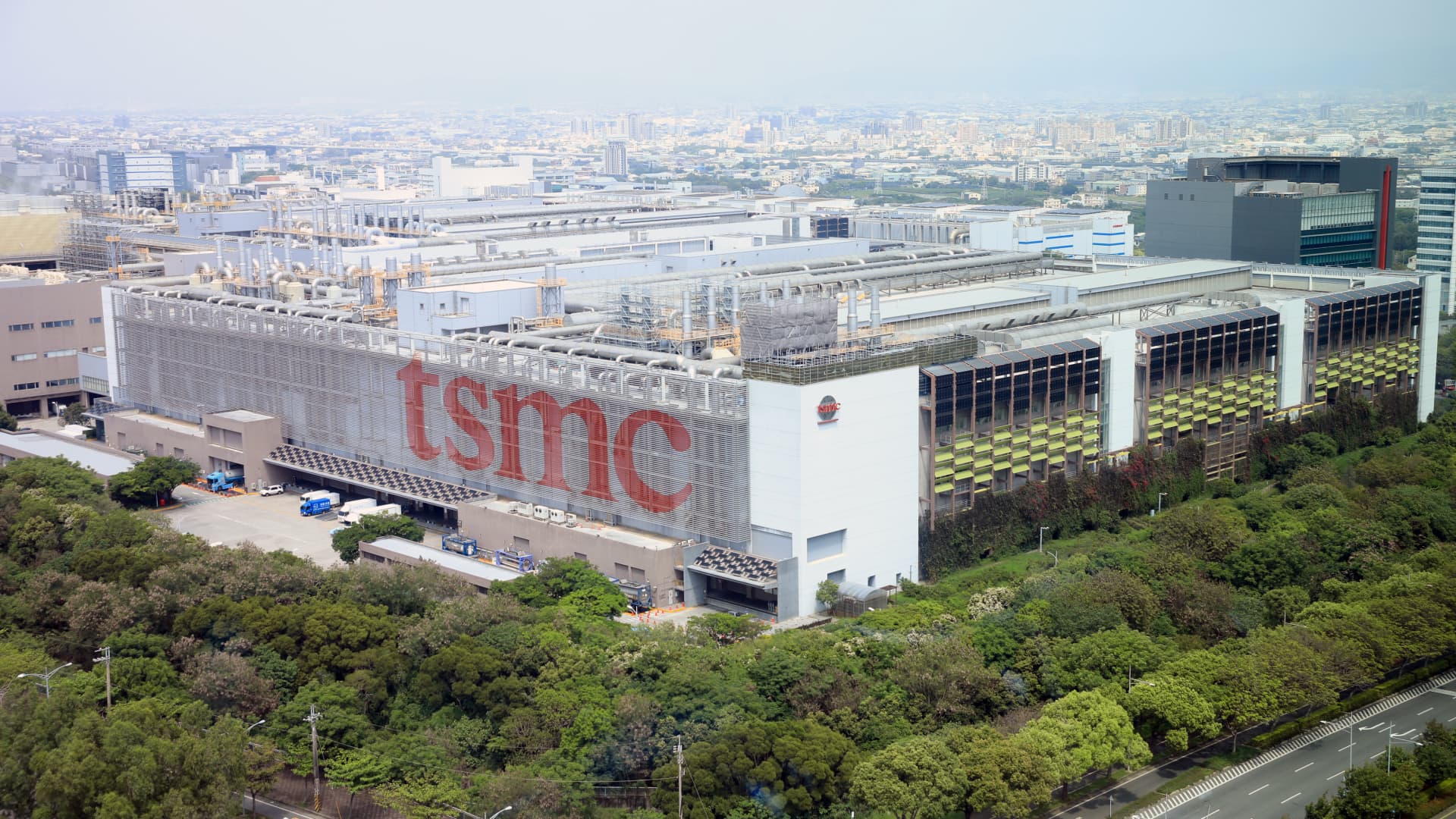
Taiwan Semiconductor Manufacturing Company (NYSE: TSM) manufactures chips designed by other companies, including those developing AI processors. It will report Q3 2026 earnings on October 15, before U.S. markets open, with its earnings conference scheduled for 2 a.m. Eastern Time. MarketBeat lists consensus estimates of $4.45 in earnings per ADR and $45.54 billion in revenue, although estimates vary by provider and update date.
TSMC’s dominant position is strongest in contract chip manufacturing, rather than the entire semiconductor industry. Counterpoint Research estimates that it captured 73% of global pure-play foundry revenue in Q2 2026, supported by advanced manufacturing and packaging demand.
Revenue disclosures already point to a strong quarter. September revenue reached NT$511.86 billion, up 54.6% year over year. Preliminary third-quarter revenue totaled approximately NT$1.49 trillion, up about 50%, exceeding market forecasts and management’s $44.6 billion–$45.8 billion guidance. The full earnings report will provide profitability figures and the official quarterly U.S.-dollar revenue total.
Investors will also watch capital expenditure plans, advanced packaging capacity, and profit margins. TSMC raised its 2026 capital spending outlook to $60 billion–$64 billion in July. Further expansion could support AI-related growth, while the cost of new technology and overseas manufacturing remains important to profitability.
For valuation, the key question is whether earnings growth and future cash flow can justify the stock’s price. Updated guidance, spending requirements, and margins will help investors assess that outlook.