SpaceX (NASDAQ: SPCX) Prepares for Historic IPO Amid Valuation Scrutiny
- SpaceX IPO Valuation: The company is targeting a valuation of approximately $1.75 trillion to $1.77 trillion, equal to roughly 95 times its 2025 revenue.
- Analyst Coverage & Price Target: New Street analyst Pierre Ferragu initiated coverage with a $165.00 price target, suggesting about 22% upside from the proposed $135.00 IPO price.
- Profitability Concerns: Despite strong investor demand, SpaceX faces valuation scrutiny after reporting a $4.94 billion net loss in 2025, compared with a profit in 2024.
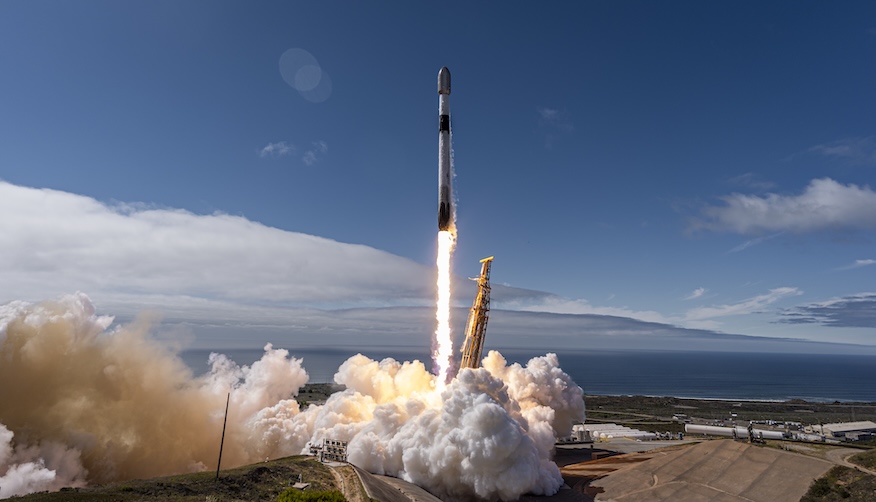
SpaceX (NASDAQ: SPCX), Elon Musk’s aerospace, satellite internet, and AI-linked technology company, is preparing for what could become the largest initial public offering in history. The company operates the Starlink satellite internet service and the Falcon rocket program, while also expanding its long-term growth story around artificial intelligence and space-based infrastructure.
SpaceX is expected to go public at a proposed IPO price of $135.00 per share. The offering is designed to raise approximately $75 billion and could value the company at roughly $1.75 trillion to $1.77 trillion. This would place SpaceX among the most valuable publicly traded companies in the United States immediately after listing.
On June 10, 2026, New Street analyst Pierre Ferragu initiated coverage on SpaceX ahead of its IPO, setting a price target of $165.00. This target implies potential upside of about 22% from the proposed IPO price. However, New Street reportedly did not assign an official rating, making the price target more of a valuation benchmark than a traditional Buy recommendation.
Investor demand for the SpaceX IPO appears very strong. Reuters reported that demand was approaching roughly four times the planned offering size, showing significant institutional interest in the company’s growth story. Investors are being drawn to SpaceX’s dominant launch position, Starlink’s revenue growth, and the company’s broader ambitions in AI and space-based data centers.
However, not everyone is convinced that the valuation is justified. Prominent short seller Jim Chanos has criticized the IPO valuation, warning that it may be driven more by “hopes and dreams” than by current financial fundamentals. His concerns center on the high sales multiple, governance questions, and the risks of paying a premium for future technologies that remain unproven.
Those concerns are linked to SpaceX’s recent financial performance. The company generated approximately $18.67 billion in revenue in 2025, helped by Starlink growth, but reported a net loss of about $4.94 billion. That marked a sharp reversal from a reported $791 million profit in 2024.
For investors, the SpaceX IPO offers exposure to one of the most ambitious companies in the world, but the valuation leaves little room for disappointment. Strong demand could support the stock in the short term, yet the combination of a massive valuation, limited public float, AI-related uncertainty, and profitability concerns could also make SPCX highly volatile after its Nasdaq debut.