- Earnings per share of $0.67 missed the estimated $0.70, with revenue lower than expected.
- Increased impairment provisions and lower deposit margins pressured profits and net interest income, respectively.
- Despite challenges, a resurgence in mergers and acquisitions could boost investment banking revenues.
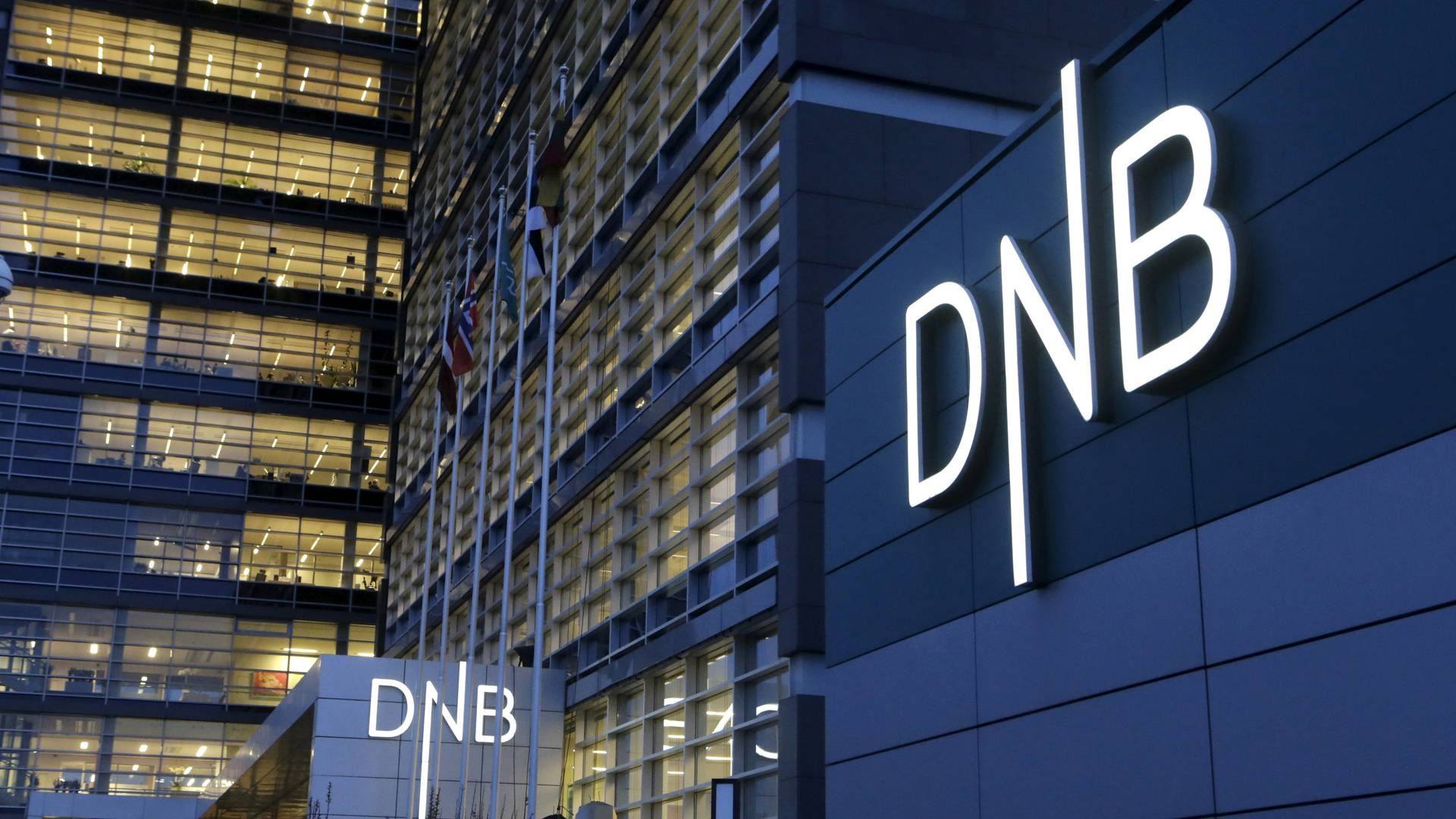
DNB Bank ASA, trading under the symbol DNBBY on the OTC exchange, is Norway's largest bank. It offers a wide range of financial services, including lending, investment banking, and asset management. Despite its strong market position, DNBBY faces competition from other major banks in the region.
On July 11, 2025, DNBBY reported earnings per share of $0.67, missing the estimated $0.70. The bank's revenue was approximately $2.23 billion, lower than the expected $2.30 billion. This shortfall is partly due to increased impairment provisions, which impacted profits despite strong lending growth and high customer activity.
The bank's net interest income (NII) is under pressure due to lower deposit margins, a result of relatively lower average interest rates during the quarter. However, a resurgence in mergers and acquisitions is likely to boost investment banking revenues, providing some positive momentum for DNBBY.
DNBBY is also dealing with elevated expenses, including personnel, benefits, and restructuring costs, which could weigh heavily on its financial performance. In the previous quarter, the bank saw an increase in NII and growth in loan and deposit balances, but these gains were offset by rising total operating expenses.
The company's financial metrics reveal a mixed picture. With a price-to-earnings (P/E) ratio of approximately 9.06 and a price-to-sales ratio of about 3.58, the market's valuation of DNBBY's earnings and sales is moderate. However, the negative enterprise value to operating cash flow ratio of approximately -25.82 suggests challenges in cash flow generation. Additionally, a high debt-to-equity ratio of approximately 3.42 indicates significant reliance on debt financing, while a low current ratio of around 0.26 raises concerns about short-term liquidity.