- JPMorgan reported earnings per share (EPS) of $4.63, missing the expected $4.85, with revenue also falling short at approximately $45.8 billion.
- The costs associated with the Apple Card deal were a significant factor in the earnings miss, impacting the stock's performance.
- Despite a moderate debt-to-equity ratio of 1.38 and a high current ratio of 9.89, concerns over cash flow generation and cost management persist.
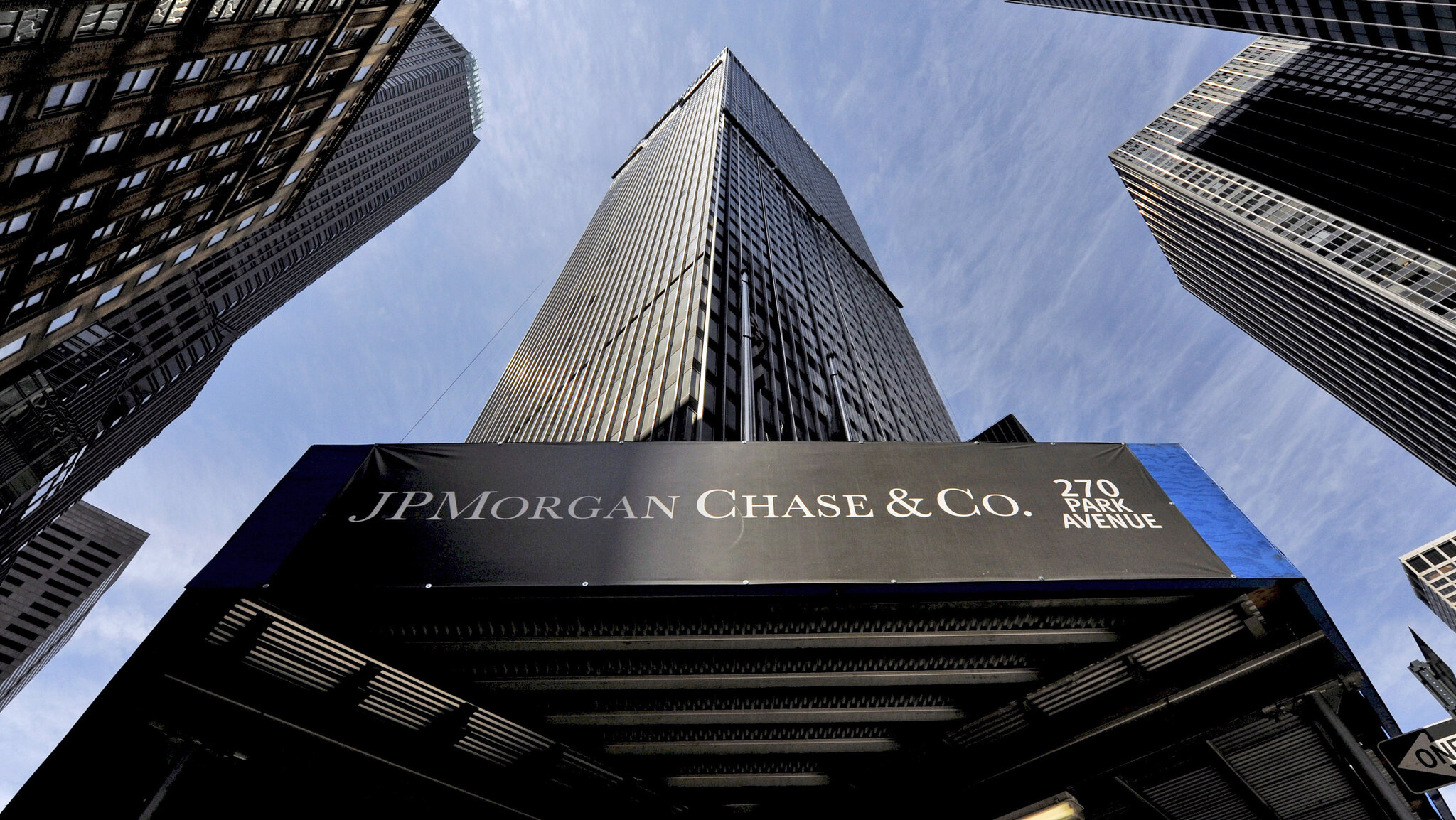
JPMorgan Chase & Co. (NYSE:JPM) is a leading global financial services firm with operations in over 100 countries. It provides a wide range of services, including investment banking, financial services for consumers and businesses, financial transaction processing, asset management, and private equity. As one of the largest banks in the United States, it competes with other major financial institutions like Bank of America, Citigroup, and Wells Fargo.
On January 13, 2026, JPMorgan reported earnings per share (EPS) of $4.63, which was below the expected $4.85. The company's revenue was approximately $45.8 billion, slightly missing the anticipated $46.2 billion. This shortfall in earnings and revenue has put pressure on JPM's stock, as highlighted by HSBC's Saul Martinez. The costs associated with the Apple Card deal were a significant factor in the earnings miss.
Despite the earnings miss, JPMorgan's fourth-quarter earnings surpassed some expectations, yet the stock fell by 3%. This decline contributed to a 0.3% drop in the S&P 500 index, as reported by Invezz. The market's reaction reflects concerns over the bank's ability to manage costs and maintain profitability amid ongoing policy uncertainties.
JPMorgan's financial metrics provide a mixed picture. The price-to-earnings (P/E) ratio of 15.25 suggests a reasonable valuation, while the price-to-sales ratio of 3.30 indicates the value placed on its revenue. However, the negative enterprise value to operating cash flow ratio of -11.06 raises concerns about cash flow generation. The earnings yield of 6.56% offers insight into the return on investment for shareholders.
The bank's debt-to-equity ratio of 1.38 indicates a moderate level of debt compared to its equity, while a high current ratio of 9.89 suggests strong liquidity. This means JPMorgan is well-positioned to cover its short-term liabilities, providing some reassurance to investors despite the recent earnings miss.