- CarMax, Inc. (NYSE:KMX) reported earnings per share of $0.43, beating the estimated $0.32, and a revenue of $5.79 billion, surpassing the $5.63 billion estimate.
- The company announced plans to reduce margins on used cars, leading to a decline in stock price due to concerns over future profitability.
- CarMax faces challenges in the competitive used-car market, with an 8% decrease in retail used unit sales and a 9% decline in comparable store used unit sales.
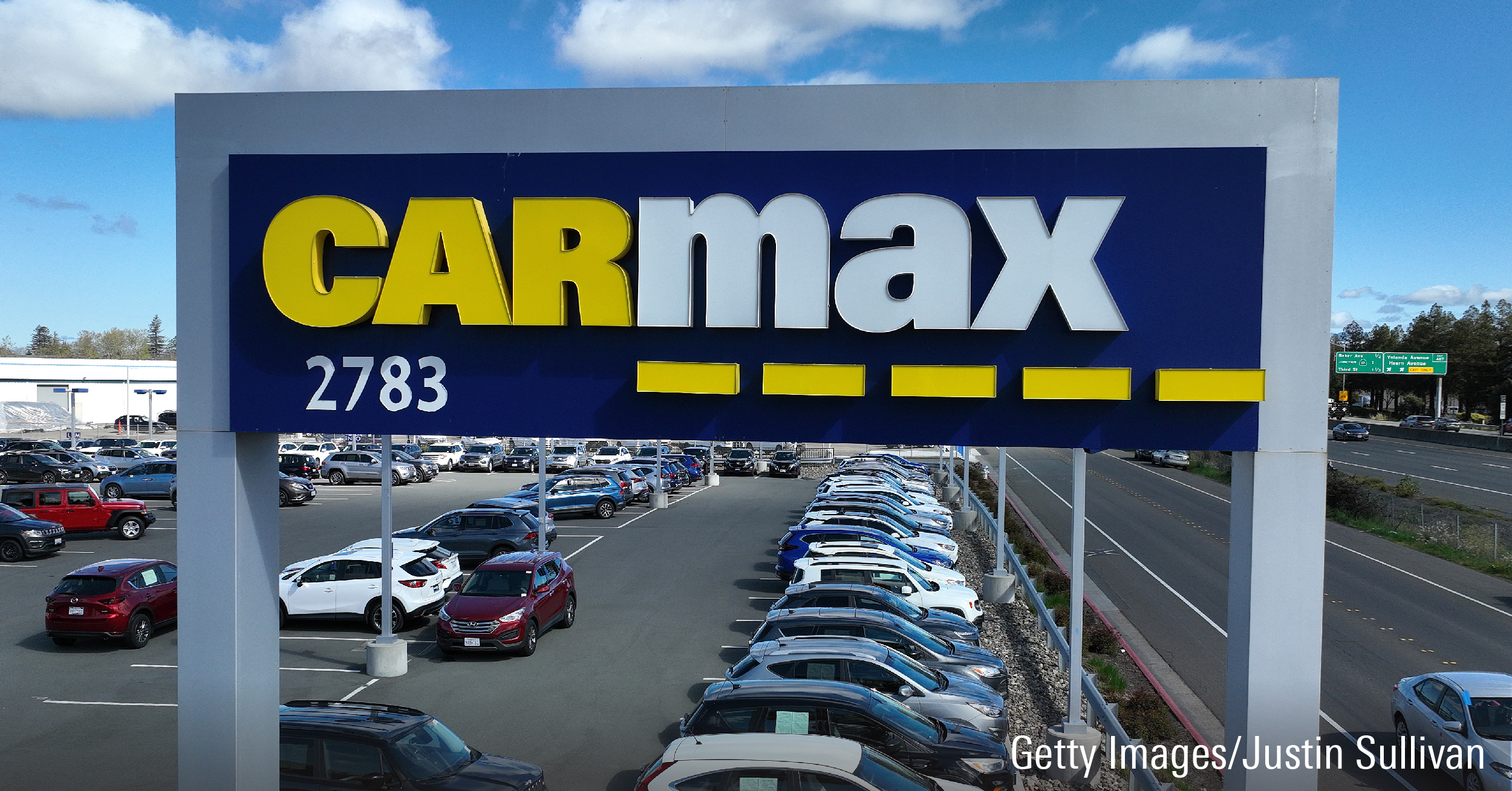
CarMax, Inc. (NYSE:KMX), a leading used car retailer in the United States, operates a network of retail locations and offers a wide range of used vehicles. Competing with other used car retailers and online platforms, CarMax strives to maintain its market position amidst changing market dynamics and consumer preferences.
On December 18, 2025, CarMax reported earnings per share of $0.43, surpassing the estimated $0.32. The company also achieved a revenue of approximately $5.79 billion, exceeding the estimated $5.63 billion. Despite this positive financial performance, CarMax announced plans to reduce margins on used cars, which has led to a decline in the stock price as investors react to the potential impact on future profitability.
CarMax's fiscal third-quarter results reflect ongoing challenges in maintaining its position in the used-car market. The company reported a decline in sales and profit, with an 8% decrease in retail used unit sales and a 9% decline in comparable store used unit sales. These figures indicate the competitive pressures and market dynamics affecting CarMax's profitability.
The company's financial metrics provide insight into its market valuation and financial health. CarMax has a price-to-earnings (P/E) ratio of approximately 11.88, indicating the market's valuation of its earnings. The price-to-sales ratio stands at about 0.24, suggesting the company's market value relative to its sales. The enterprise value to sales ratio is around 0.89, reflecting the company's total valuation compared to its revenue.
CarMax's financial leverage is highlighted by a debt-to-equity ratio of approximately 2.87, indicating the extent of its financial obligations relative to its equity. The current ratio of about 2.46 suggests the company's ability to cover its short-term liabilities with its short-term assets. Despite these challenges, CarMax's earnings yield of about 8.42% represents the return on investment for shareholders, providing some reassurance to investors.