- Significant loss reported: ASOS Plc (PNK:ASOMY) reported an earnings per share (EPS) of -0.47, missing the estimated EPS significantly.
- Revenue shortfall: The company's actual revenue was approximately $1.55 billion, below the estimated $1.72 billion, indicating weak consumer demand.
- Financial ratios suggest undervaluation: Despite financial struggles, ASOS's price-to-sales ratio and enterprise value to sales ratio suggest the stock might be undervalued.
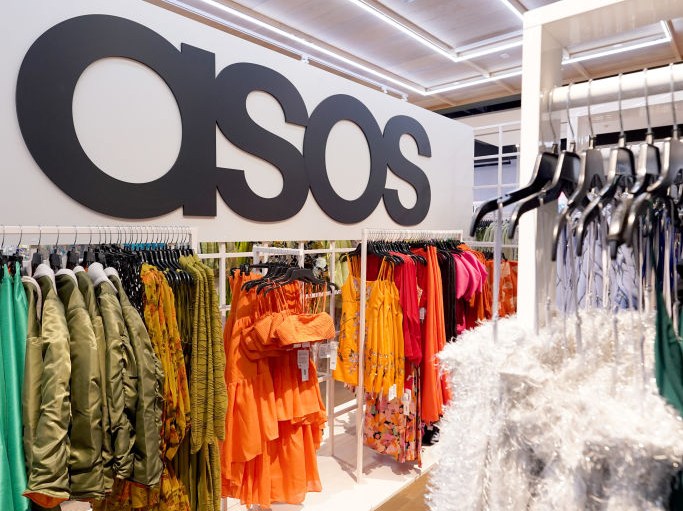
ASOS Plc, trading under the symbol PNK:ASOMY on the OTC exchange, is a prominent UK-based fast-fashion retailer. The company is known for its trendy clothing and accessories, catering primarily to young adults. ASOS competes with other fast-fashion giants like Zara and H&M. However, the company is currently facing financial challenges, as highlighted by its recent earnings report.
On November 21, 2025, ASOMY reported an earnings per share (EPS) of -0.47, which was significantly lower than the estimated EPS of -0.15. This indicates that the company is experiencing losses, as reflected in its negative price-to-earnings (P/E) ratio of approximately -0.94. The negative EPS and P/E ratio suggest that ASOS is struggling to generate profits.
ASOS's actual revenue for the period was approximately $1.55 billion, falling short of the estimated $1.72 billion. This shortfall in revenue is attributed to weak consumer demand, which is impacting the company's financial performance. Despite this, the company's price-to-sales ratio of 0.10 suggests that its stock is relatively undervalued compared to its sales.
The enterprise value to sales ratio of 0.29 further indicates a potentially undervalued position in the market. However, ASOS's debt-to-equity ratio of 2.28 suggests a higher reliance on debt for financing, which could pose risks if the company cannot improve its profitability. The current ratio of 1.18 is a positive sign, indicating that ASOS has a slightly higher level of current assets compared to its current liabilities, which is beneficial for short-term financial health.
During the Q4 2025 earnings call, attended by key company figures and analysts from various financial institutions, ASOS emphasized its focus on cost management and efforts to rejuvenate the brand's appeal to consumers. The enterprise value to operating cash flow ratio of 6.70 indicates how many times the operating cash flow can cover the enterprise value, highlighting the company's operational efficiency amidst its financial challenges.