Boeing (NYSE: BA) Q1 2026 Earnings: Operational Recovery Takes Flight Amidst Debt Challenges
- Boeing (NYSE: BA) exceeded Q1 2026 earnings expectations with a smaller loss and higher revenue.
- Operational recovery is evident, driven by increased aircraft deliveries and progress on the 737 Max program.
- Despite positive earnings, the company maintains a high Debt-to-Equity ratio of 7.89, highlighting significant financial leverage.
On April 22, 2026, Boeing (NYSE: BA) reported its first-quarter earnings. As a leading global aerospace company, Boeing manufactures commercial jetliners and defense systems. The company has been navigating operational crises and the financial impacts of the COVID-19 pandemic, which left it with a significant amount of debt.
The company announced an earnings per share of -$0.20, which is better than the analyst consensus estimate of -$0.68. As highlighted by Reuters, this much smaller-than-expected loss suggests that Boeing's operational recovery is gaining traction. The positive result caused the company's stock price to rise following the announcement.
Furthermore, Boeing's revenue for the quarter came in at $22.22 billion, surpassing the estimated $21.85 billion. This performance was driven by an increase in aircraft deliveries, as noted by CNBC. The company also saw improvements within its defense and services divisions, which contributed to the stronger sales figures.
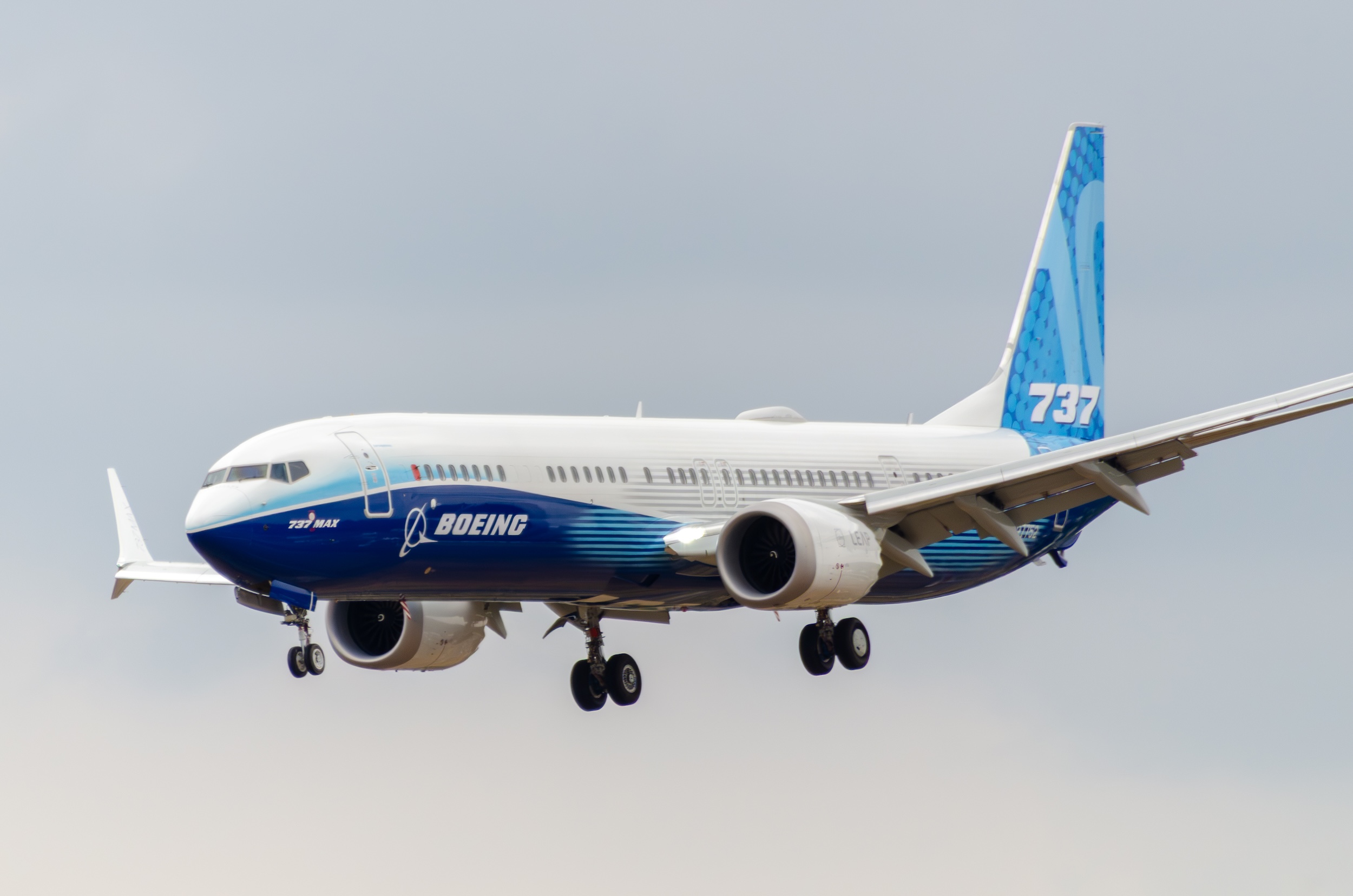
Operationally, Boeing continues to produce its 737 Max jet at a rate of 42 per month. Boeing also announced that it expects to receive new certifications for the 737 Max later this year. This provides a positive outlook for its key commercial aircraft program.
The company's Debt-to-Equity ratio is 7.89. This financial metric compares a company's total debt to its total shareholder equity and is used to evaluate its financial leverage. A ratio this high shows that Boeing relies heavily on debt to finance its assets compared to funds from owners.